
The problem
Traditional assessment tools rely on sandboxed IDEs, browser extensions or DOM manipulation that candidates can bypass. Anti-cheating mechanisms are easily circumvented through developer tools, virtual machines or proxy assistance.
AI agents
Built in
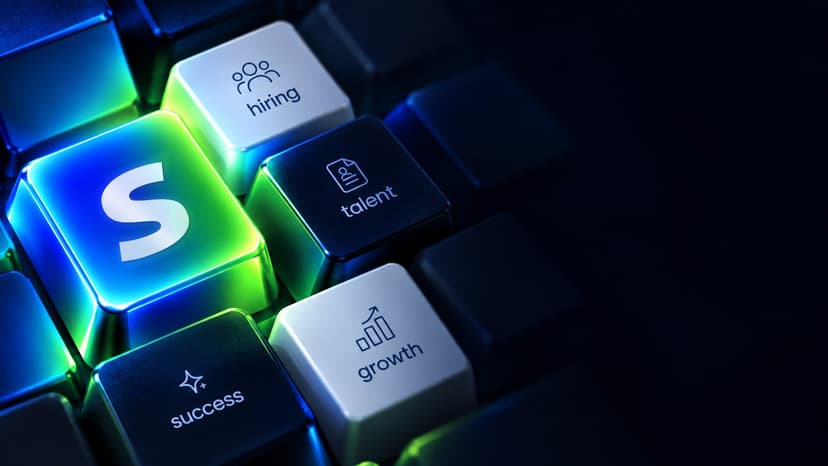 WatchSee agents run a role from intake to shortlist.Take the product tour
 For employers
Learn
Non-invasive screen perception engine. Real-world skill evaluation with edge-native vision and intent recognition that watches the screen exactly as a human would.
POST /your-endpointevent: candidate.shortlistedrole: ICU Nurse, Austin TXscore: 4.6evidence: transcript, license_check
 Priya S.Shortlisted · 4.6
Traditional assessment tools rely on sandboxed IDEs, browser extensions or DOM manipulation that candidates can bypass. Anti-cheating mechanisms are easily circumvented through developer tools, virtual machines or proxy assistance.
Pixel-Native OS does not read the DOM. It watches the screens literal pixels at 60fps, identifying elements exactly as a human recruiter would. This ensures anti-cheating mechanisms cannot be bypassed via developer tools or virtual machines.
 Recording · 12:40
 Identity verified
Walk me through how you would handle a missed deadline with a client.
Pixel-Native OS runs transparently during any technical assessment or interview. Candidates work in their natural environment while the system captures behavioral signals that indicate genuine skill versus external assistance.






 GreenhouseLeverWorkday
Book a 20-minute walkthrough tailored to your hiring stack. We'll show you exactly how this capability fits your workflow.
Pixel-Native uses edge-native vision to watch screen pixels directly, eliminating the need for browser extensions or SDK dependencies.
The pixel-level perception captures all screen activity exactly as it appears, making traditional bypass methods ineffective.
Processing happens at the edge with no data persistence. Only behavioral signals relevant to assessment are captured and analyzed.