


Technical Deep Dive: Building Scalable AI Recruiting Pipelines
The Architecture Behind Intelligent RecruitingBuilding a scalable AI recruiting system requires careful consideration of architecture, data flow, and integratio...
In this article
The Architecture Behind Intelligent Recruiting
Building a scalable AI recruiting system requires careful consideration of architecture, data flow, and integration patterns. In this technical deep dive, we explore how Scrini AI constructs solid, scalable recruiting pipelines that handle millions of candidate profiles while maintaining sub-second response times.
Core System Components
1. Multi-Source Data Ingestion
Our system continuously ingests data from multiple sources:
- LinkedIn API: Real-time profile updates and activity monitoring
- Job Board Integrations: Indeed, Glassdoor, Stack Overflow Jobs
- ATS Connectors: Workday, Greenhouse, Lever, BambooHR
- Social Media Monitoring: GitHub, Twitter, professional forums
2. AI Processing Pipeline
Our processing pipeline consists of several specialized AI models:
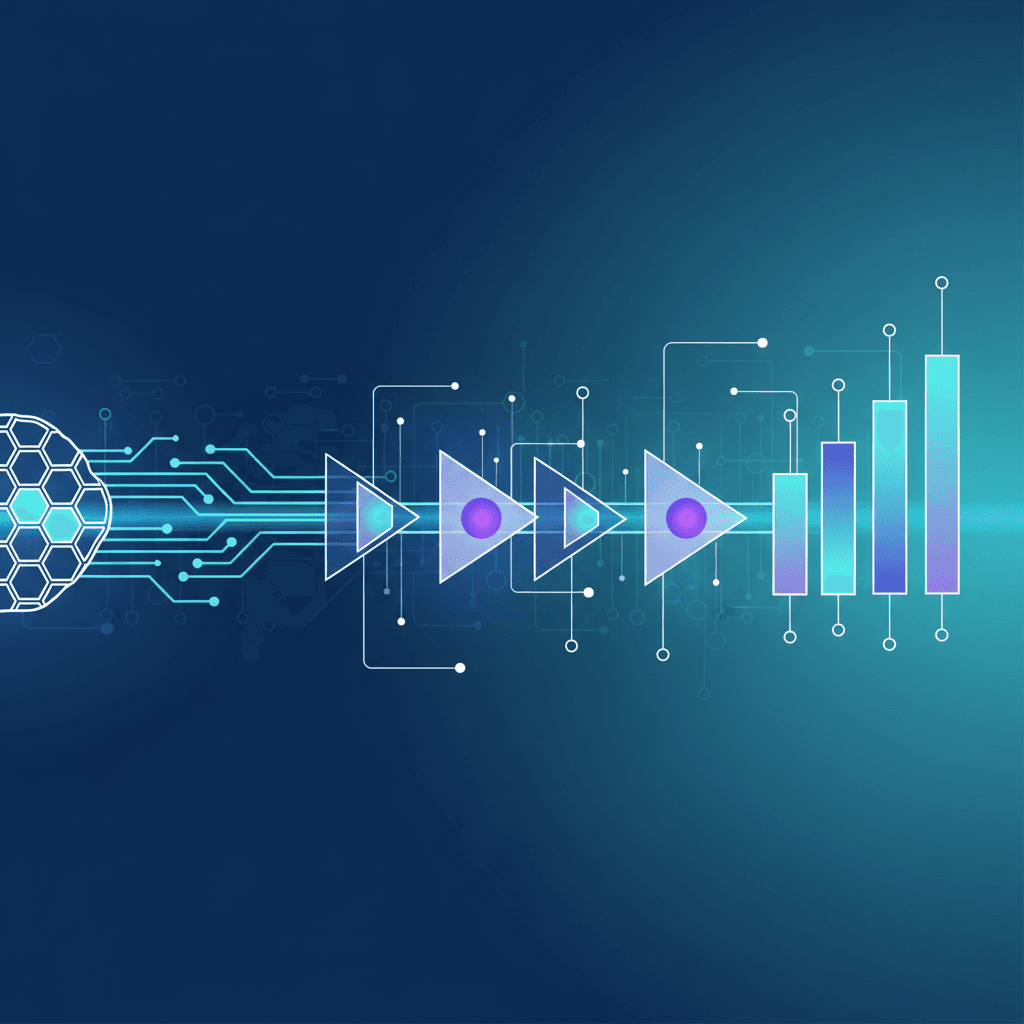
Data Ingestion → Normalization → Skill Extraction →
Cultural Fit Analysis → Behavioral Modeling → Ranking
3. Real-Time Matching Engine
The matching engine uses advanced algorithms to score candidates:
- Vector Similarity: Semantic matching of skills and experience
- Graph Neural Networks: Relationship and network analysis
- Transformer Models: Natural language understanding of profiles
- Reinforcement Learning: Continuous optimization based on hiring outcomes
Scalability Considerations
Microservices Architecture
Our system is built on a microservices architecture that enables:
- Independent scaling of components
- Fault isolation and resilience
- Technology diversity for optimal performance
- Rapid deployment and updates
Data Processing at Scale
We process over 10 million candidate profiles daily using:
- Apache Kafka: Real-time data streaming
- Apache Spark: Distributed batch processing
- Redis Cluster: High-performance caching
- Elasticsearch: Fast full-text search and analytics
Integration Patterns
API-First Design
All components expose RESTful APIs with:
- OpenAPI 3.0 specifications
- Rate limiting and authentication
- Comprehensive error handling
- Real-time webhooks for updates
Event-Driven Architecture
System components communicate through events:
- Candidate profile updates trigger re-evaluation
- Job posting changes initiate new searches
- Hiring decisions feed back into learning models
Performance Optimization
Caching Strategies
Multi-level caching ensures optimal performance:
- L1 Cache: In-memory application cache
- L2 Cache: Redis distributed cache
- L3 Cache: CDN for static content
Database Optimization
Our data layer uses a polyglot persistence approach:
- PostgreSQL: Transactional data and relationships
- MongoDB: Document storage for profiles
- Neo4j: Graph relationships and networks
- InfluxDB: Time-series analytics data
Security and Compliance
Data Protection
We implement comprehensive security measures:
- End-to-end encryption for all data
- GDPR and CCPA compliance frameworks
- Regular security audits and penetration testing
- Zero-trust network architecture
Monitoring and Observability
Real-Time Monitoring
Our monitoring stack includes:
- Prometheus: Metrics collection and alerting
- Grafana: Visualization and dashboards
- Jaeger: Distributed tracing
- ELK Stack: Centralized logging
Future Roadmap
We are continuously evolving our technical architecture:
- Edge Computing: Reducing latency with edge deployments
- Quantum-Ready Algorithms: Preparing for quantum computing advances
- Advanced NLP: Incorporating latest language models
- Predictive Analytics: Forecasting hiring needs and market trends
Getting Technical with Scrini AI
Interested in the technical details of our implementation? Our engineering team is always happy to discuss architecture, integration patterns, and best practices.
Schedule a technical demo to see our system in action and discuss your specific integration requirements.